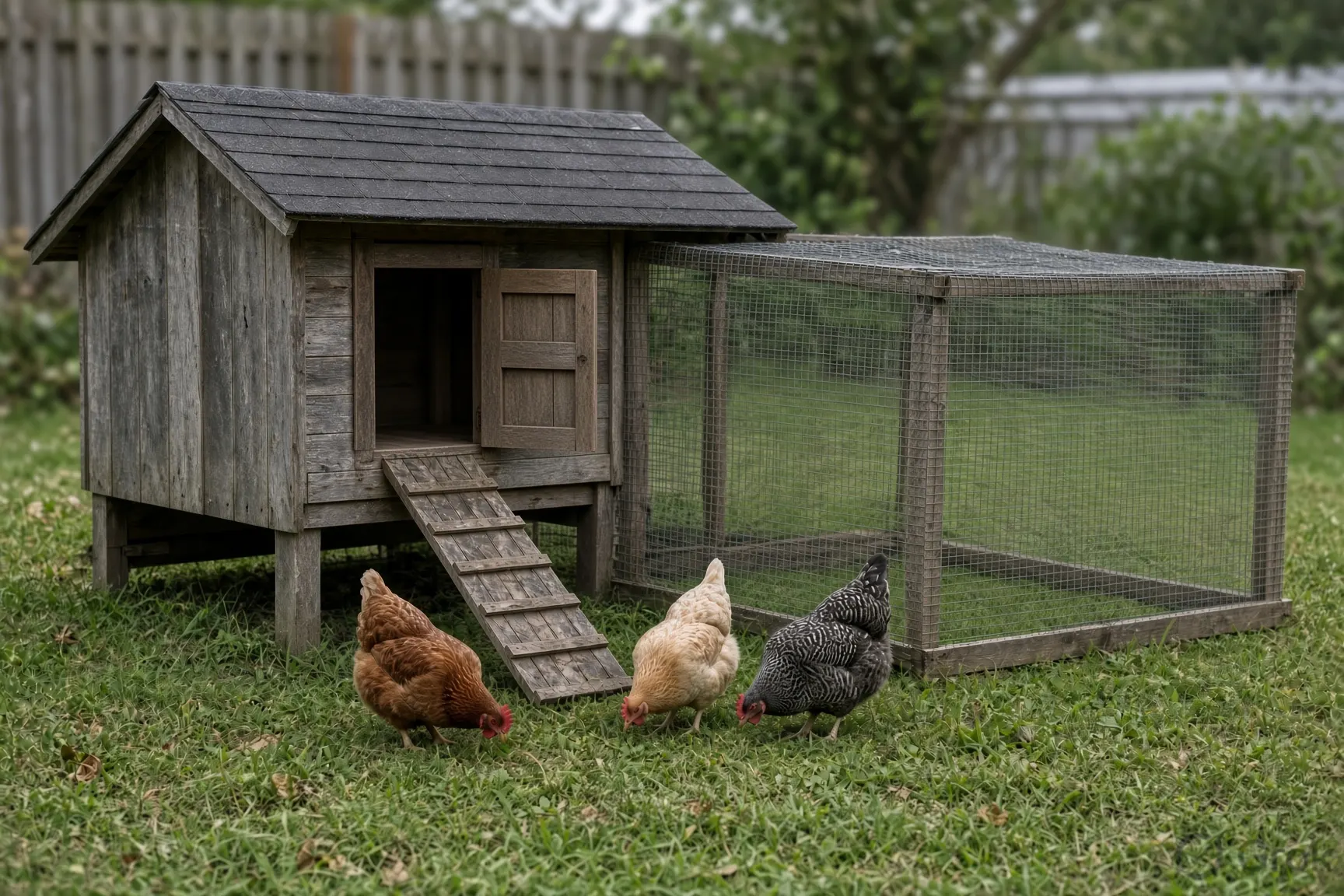
My first coop cost me $180 and a lot of lessons. The listing swore it housed six hens. In reality I could fit three before it felt packed, and that was being generous. The “predator-proof” door was a little slide bolt a toddler could work, and one night a raccoon proved the point by flipping it open and reaching through the thin wire mesh. I got lucky and lost no birds, but only because I happened to be awake and heard the racket. The next morning I spent forty dollars and an afternoon turning that bargain coop into something that could actually keep my flock alive.
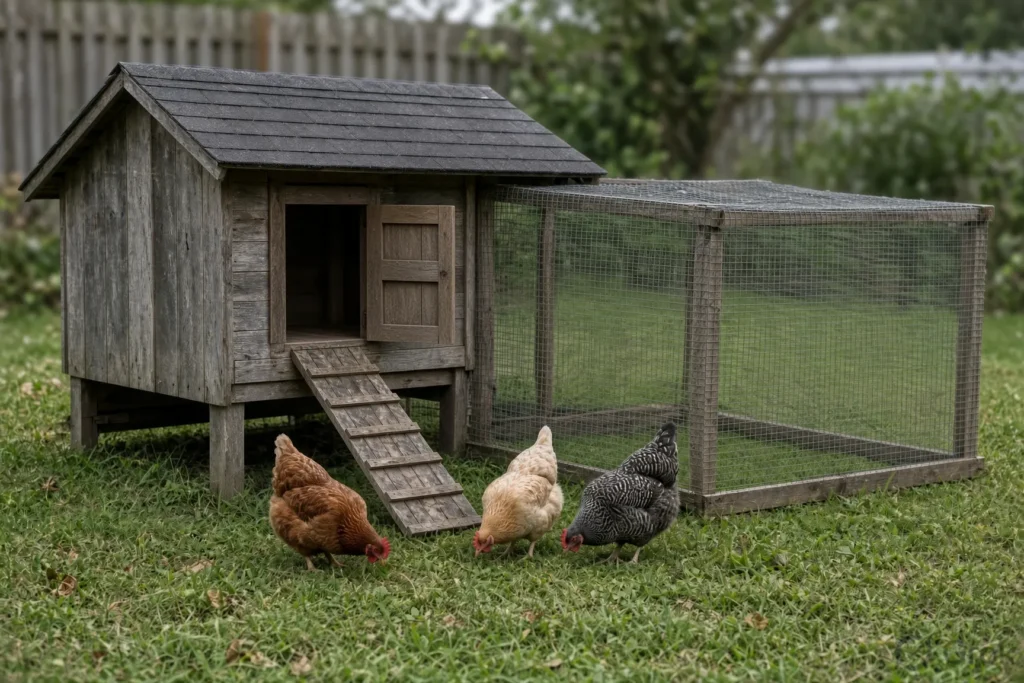
That’s the honest starting point for this whole article: coops under $300 can work, but almost none of them are as good as the listing makes them sound. The capacities are inflated, the wood is thin, the hardware is flimsy, and the wire is usually the wrong stuff entirely. None of that means you can’t keep chickens on a budget. It means you need to know what you’re really buying, choose the best of the bunch, and plan for a couple of cheap fixes. Do that and a budget coop will get a small flock through just fine.
This guide tells you what a sub-$300 coop can and can’t do, what to look for so you don’t buy junk, the budget picks worth considering, and the inexpensive upgrades that turn a flimsy coop into a safe one. I’ve owned the cheap ones and the good ones, and I’ll be straight with you about both.
Some links below are affiliate links. If you buy through one, I may earn a small commission at no extra cost to you. As an Amazon Associate I earn from qualifying purchases. I only point to gear I’d actually use with my own flock.
What a coop under $300 can (and can’t) get you
Let’s set expectations honestly, because this is where most people get burned.
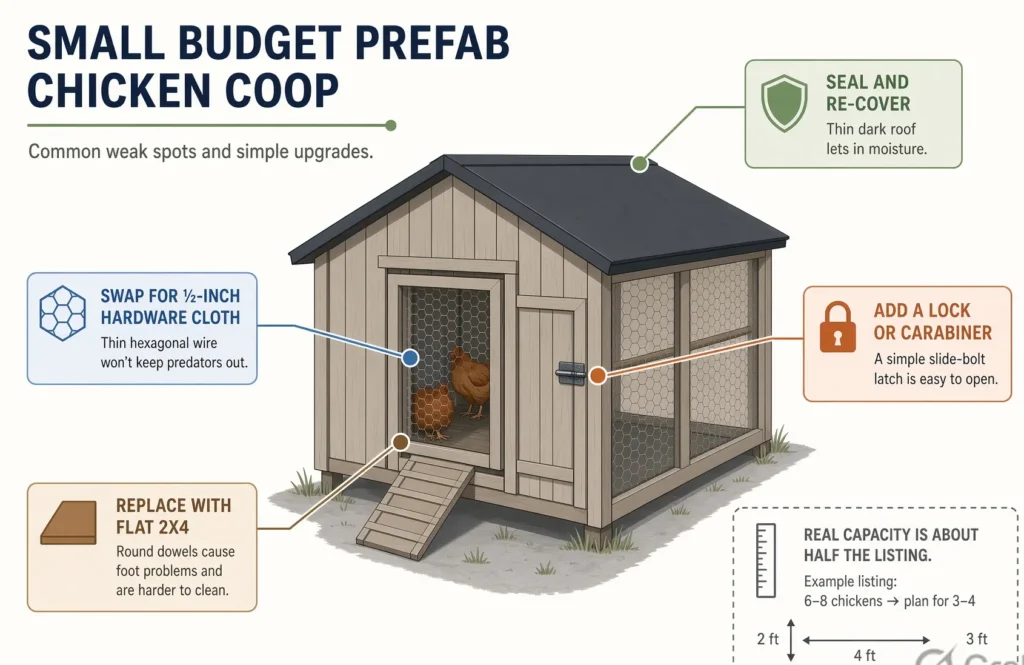
The biggest lie in budget coops is capacity. A coop advertised “for 4 to 6 chickens” will, in real life, comfortably house about 2 to 3 standard hens. Manufacturers count square inches a bird can physically squeeze into, not the space a hen actually needs to be healthy. The rule that matters is roughly 4 square feet of coop floor per standard hen, plus 8 to 10 square feet of run. Run the numbers on any budget listing against that rule and the inflation jumps right out at you. If you want four hens, shop as if you need a coop rated for eight.
The second thing to accept is that budget coops are small-flock coops. They’re great for someone starting with two or three hens in a suburban yard. They are not the answer if you want a real flock of eight or ten. Trying to stretch a cheap coop over too many birds leads to crowding, fighting, filth, and disease, and no amount of upgrading fixes a coop that’s simply too small.
What you genuinely can get under $300 is a small, workable home for a few hens: solid enough wood, a basic nest box, a roost, and usually an attached wire run. What you can’t get is the build quality, the real capacity, the predator security, or the lifespan of a $600-plus coop. Budget coops tend to last one to three years before the wood warps and the roof gives out, where a well-built wooden coop lasts a decade or more. You’re trading longevity and a few safety features for a low price up front. That’s a fair trade for a lot of beginners, as long as you go in with your eyes open.
What to look for in a budget coop
When every coop in this price range cuts corners somewhere, the goal is to pick the one that cuts them in the least dangerous places, and to spot the dealbreakers before you buy.
Honest size for your real flock. Ignore the headline capacity and look at the actual coop dimensions. Do the 4-square-feet-per-bird math yourself. A coop that’s honestly sized for the small flock you want beats a bigger-sounding one every time.
The type of wire matters more than almost anything. This is the single most important safety point with cheap coops. Most budget coops come wrapped in thin “chicken wire,” which keeps chickens in but does nothing to keep predators out. Raccoons tear through it, and they can reach through the gaps to grab and kill a bird pressed against it. Real protection comes from half-inch hardware cloth. If a coop ships with flimsy hexagonal chicken wire, plan to cover or replace it with hardware cloth before you trust it overnight.
Latches a raccoon can’t beat. Raccoons have hands and patience. Simple slide bolts, turn buttons, and spring latches are not enough. Look for doors that take a proper locking latch, or plan to add a carabiner, barrel bolt with a clip, or small lock to every opening. Predators, not weather, are what kill the most birds in cheap coops.
Wood and roof you can weatherproof. Budget coops use thin fir or cedar that warps and splits, often with a flimsy felt or thin asphalt roof that leaks within a season. None of that is a dealbreaker if you’re willing to seal and paint the wood and reinforce or re-cover the roof. Just know it’s coming and factor in the time.
Enough ventilation. Many cheap coops are short on vents, which causes moisture and frostbite in winter and dangerous heat in summer. Look for vents or windows up high, and know you can add more with a hole saw and hardware cloth if needed. (For why this matters so much, see my guides on coops for [INTERNAL LINK: cold climates] and [INTERNAL LINK: hot climates].)
Flat roosts, or the willingness to swap them. Budget coops almost always include skinny round dowel roosts, which leave a hen’s toes exposed and prone to frostbite. A flat 2×4 laid wide-side up is far better, costs a few dollars, and takes ten minutes to install.
Realistic assembly. Expect thin panels, small hardware, and pre-drilled holes that don’t always line up. Read recent buyer reviews specifically for assembly horror stories, and have a drill and maybe a few extra screws on hand.
The best chicken coops under $300
A real note before the picks: prices in this range move around constantly and stock comes and goes, so “under $300” is a moving target. Confirm the current price and the actual dimensions before you buy, and size the coop to the small flock you really have. These are the categories worth considering and the kind of budget coop that fits each.
Best budget coop overall: a small raised wooden coop with a run
For most people on a budget, a compact raised wooden coop with an attached wire run is the practical pick. Raised off the ground, it gives the birds shade underneath and keeps the floor drier, the attached run means you can keep two or three hens even without a fenced yard, and solid (if thin) wood beats the flimsiest options. Brands like Aivituvin, PawHut, and Petsfit make coops in this style and price range. Verify the real dimensions against your flock size and assume you’ll add hardware cloth and a better latch.
Strengths: good value, raised design, run included, fine for 2 to 3 hens. Watch out for: inflated capacity claim; thin stock wire and weak latch; plan the upgrades.
Check the current price on Amazon →
Best for a tiny starter flock (2 to 3 hens)
If you’re starting truly small, the most compact coops do the job for a couple of hens and cost the least. The key is to match the bird count honestly: two or three hens in a small coop is comfortable, four is a stretch, and five is a welfare problem. These smallest coops are easiest to tuck into a corner of a suburban yard and quickest to assemble.
Strengths: lowest cost; small footprint; easy assembly. Watch out for: very limited space; do not overstock; ventilation is often minimal.
Check the current price on Amazon →
Best budget coop-and-run combo for value
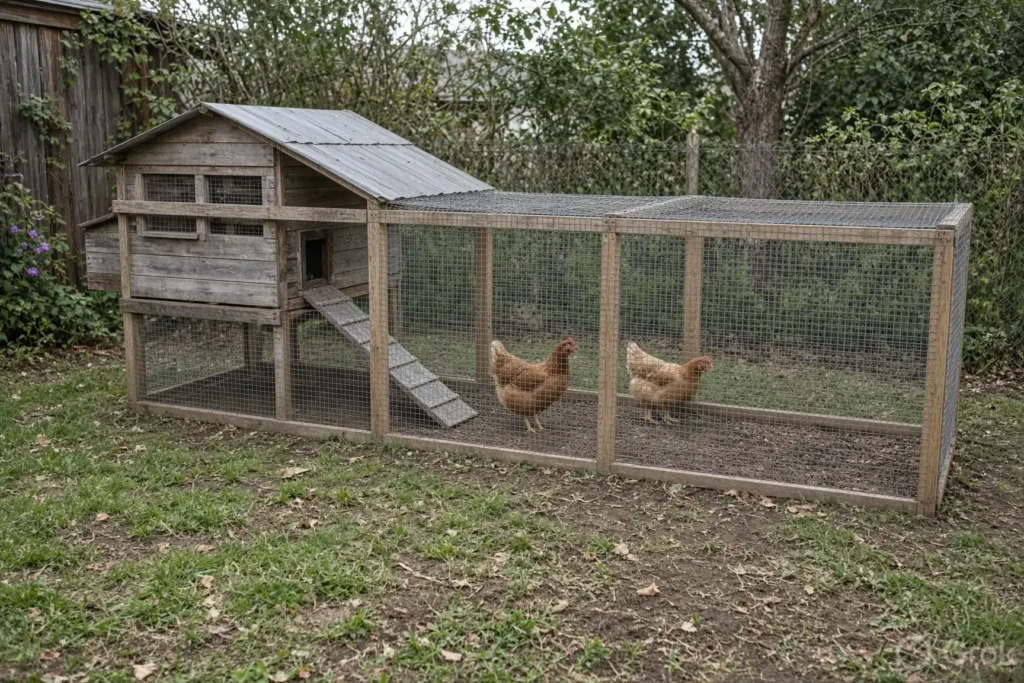
Some budget coops bundle a longer attached run, which stretches your dollar by giving the birds more daytime space without a separate fencing project. For keepers who can’t free-range and want the birds to have room to move, a coop-plus-extended-run combo is often the best use of a tight budget. Just remember the run wire is usually the thin kind, so secure it before nightfall use.
Strengths: most usable space per dollar; good for no-free-range yards. Watch out for: run wire needs upgrading; larger footprint to site; longer assembly.
Check the current price on Amazon →
Best budget metal-framed option
A few budget setups use a metal frame with a netted or wire enclosure, which can offer more space than a wooden box for the money and won’t rot. These suit a sheltered, milder climate and work as a roomy run or grow-out space, though they offer less protection from weather and determined predators than solid wood, so siting and reinforcement matter.
Strengths: more space for the price; won’t rot; roomy. Watch out for: limited weather protection; needs solid predator-proofing; not for harsh climates.
Check the current price on Amazon →
Best budget coop to buy as an upgrade base
If you’re handy and don’t mind a project, the move is to buy the cheapest sound wooden coop and treat it as a starting point. You accept the thin wood and weak hardware going in, then spend a weekend and a little money making it genuinely safe and weatherproof. This gets you a coop tailored to your needs for far less than a premium one, as long as you actually enjoy the work.
Strengths: cheapest path to a safe coop if you DIY; fully customizable. Watch out for: real cost includes your time and upgrade materials; not for people who want it ready out of the box.
Check the current price on Amazon →
Cheap upgrades that make a budget coop safe
This is the part that turns a flimsy bargain into something you can trust your flock to overnight. None of it costs much, and most of it takes a single afternoon.
Wrap it in hardware cloth
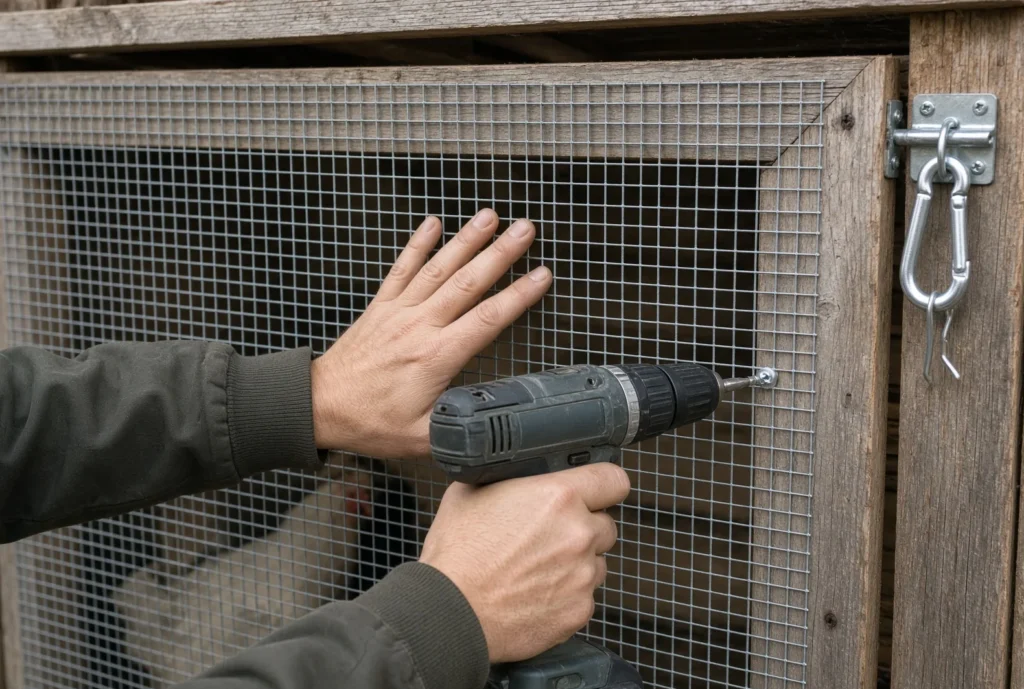
The most important upgrade by far. Cover any chicken wire (and any gap a predator could reach through) with half-inch galvanized hardware cloth, attached with screws and washers or poultry staples rather than flimsy staples that pull out. Pay special attention to the bottom edge of the run, where digging predators get in. Many keepers run an apron of hardware cloth flat along the ground around the run to stop animals from tunneling under.
Upgrade every latch
Add a real lock, a barrel bolt with a clip, or even a sturdy carabiner to every door and access panel. Anything a raccoon’s hands can twist or slide, it eventually will. This is a few dollars of hardware that prevents the most common cause of a wiped-out flock.
Seal the wood and shore up the roof
Give the bare wood a coat of exterior sealant or paint to slow the warping and rot that cut a budget coop’s life short, paying attention to the roof edges and the feet. If the roof is thin felt, a layer of better roofing or even a tightly secured tarp keeps the inside dry, which matters enormously for your birds’ health in every season.
Swap the round roosts for flat 2x4s
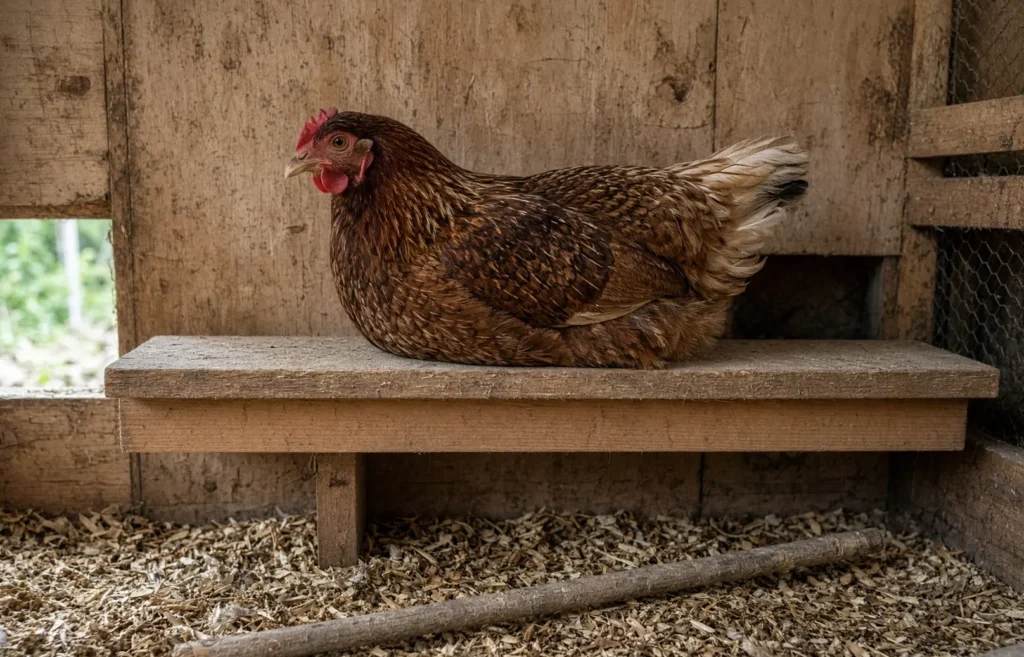
Pull out the skinny dowel roosts and replace them with a 2×4 laid flat, wide side up, so your hens can settle down and cover their feet. It’s a few dollars of lumber and ten minutes of work, and it spares them frostbitten toes when it gets cold.
Add ventilation if it’s short
If the coop has only a tiny vent or none up high, cut one or two openings near the roofline with a hole saw and cover them with hardware cloth. Good high airflow prevents winter moisture and summer heat buildup, and it’s an easy fix that makes a cheap coop far healthier.
Frequently asked questions
How many chickens can a budget coop really hold? Far fewer than the listing claims. Take the advertised number and roughly halve it. Using the standard of about 4 square feet of coop space per standard hen, most coops marketed “for 4 to 6 birds” are honestly suited to 2 or 3.
Are cheap chicken coops worth it? For a small starter flock, yes, as long as you upgrade the wire and latches and accept a shorter lifespan. For a larger flock or a harsh climate, the money is usually better spent on a sturdier coop, because a cheap one will need so many fixes that the savings shrink.
What’s wrong with the wire on budget coops? It’s typically thin chicken wire, which only contains birds and doesn’t stop predators. Raccoons tear through it and reach through the gaps. Replacing or covering it with half-inch hardware cloth is the most important safety upgrade you can make.
How long does a cheap chicken coop last? Usually one to three years before the thin wood warps and the roof fails, compared with a decade or more for a well-built wooden coop. Sealing the wood and improving the roof extends a budget coop’s life noticeably.
Can I make a budget coop predator-proof? You can get it close. Hardware cloth over all openings, a dug-in or flat ground apron against diggers, and a real lock on every door handle most backyard predators. No coop is perfectly impervious, but those upgrades cover the common threats cheaply.
Is it cheaper to build or buy a chicken coop? Building can be cheaper if you have tools, some skill, and access to affordable or salvaged lumber, and it lets you build exactly what you need. Buying a budget coop is faster and easier and often comes out similar in cost once you’ve added upgrades, so it comes down to whether you’d rather spend money or time.
The bottom line on budget coops
A coop under $300 is a fair starting point for a few hens, not a finished, do-it-all home for a big flock. Buy honestly for the small flock you actually have, expect the capacity claim to be inflated, and put a little money and an afternoon into the two upgrades that matter most: hardware cloth over the wire and real locks on the doors. Do that and your bargain coop will keep your birds safe and comfortable while you decide whether chicken keeping is for you. Plenty of people, me included, started exactly here.